Project of the Month

Save Our Elms

Qualified ReDirect Guide Member

Save Our Elms

Save Our Elms

Ladd’s Addition Tree Pruning Initiative

It has been decades since the City of Portland has had the budget to conduct regular sanitation pruning of the City’s elms population. Save Our Elms has secured a grant from the City of Portland Bureau of Environmental Services to help homeowners in Ladd’s Addition with the cost of this badly needed maintenance. Our goal is to remove dead branches from American elms in an effort to prevent the spread of Dutch elm disease. The grant provides cost share help for homeowners in Ladd’s Addition who wish to prune other species of street trees. Treecology has agreed to extend special volume discount pricing for this effort and to other Save Our Elms Affiliate groups.

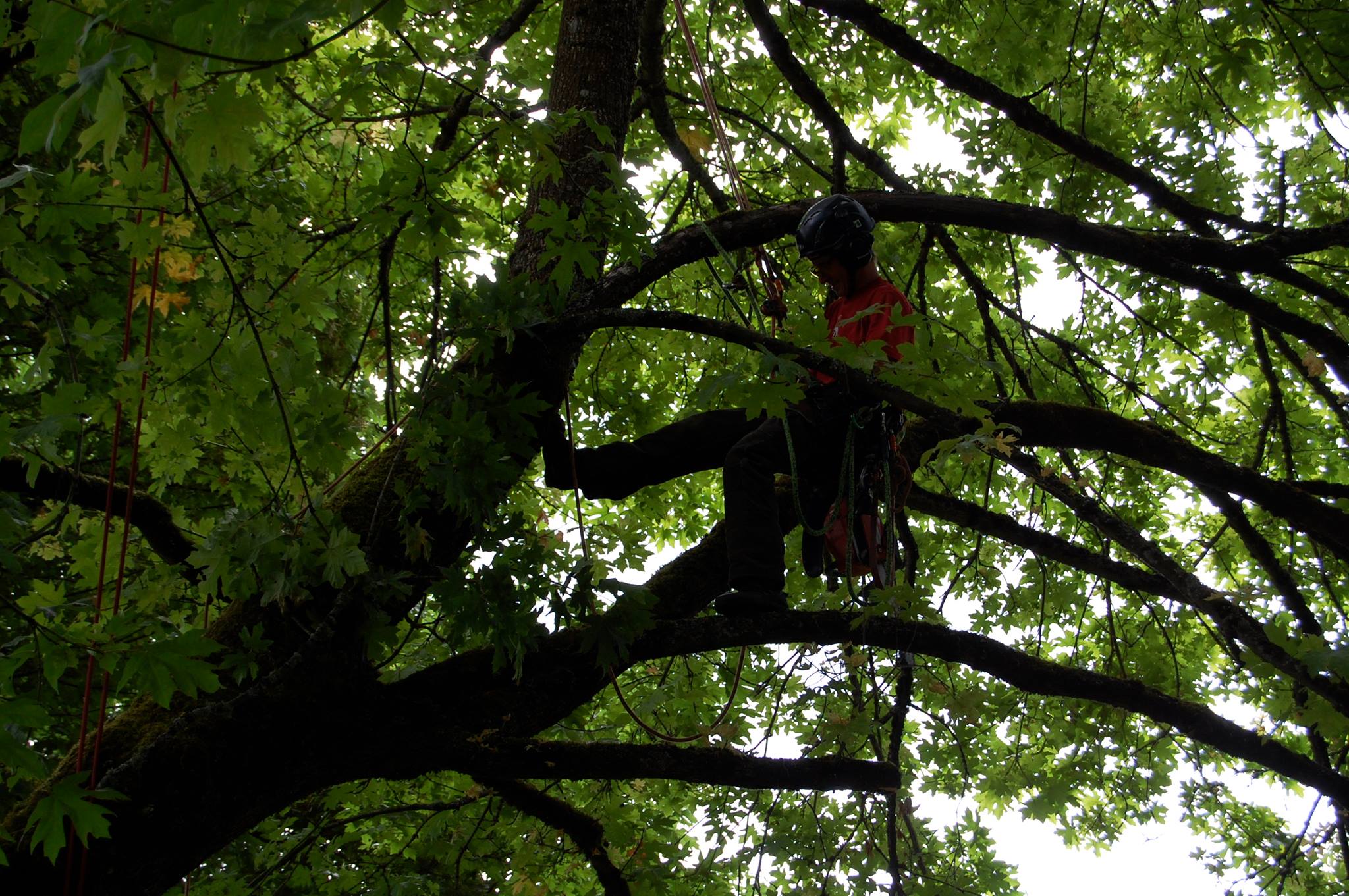
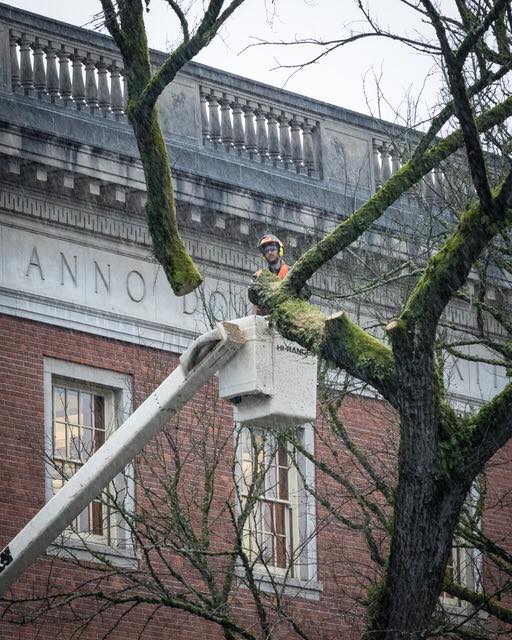
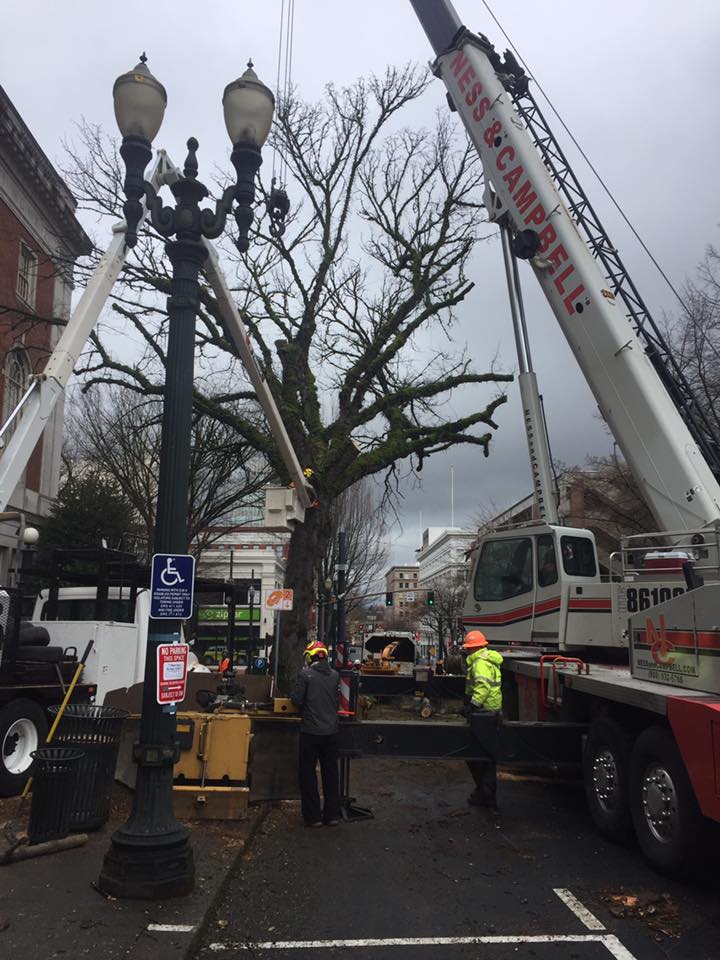
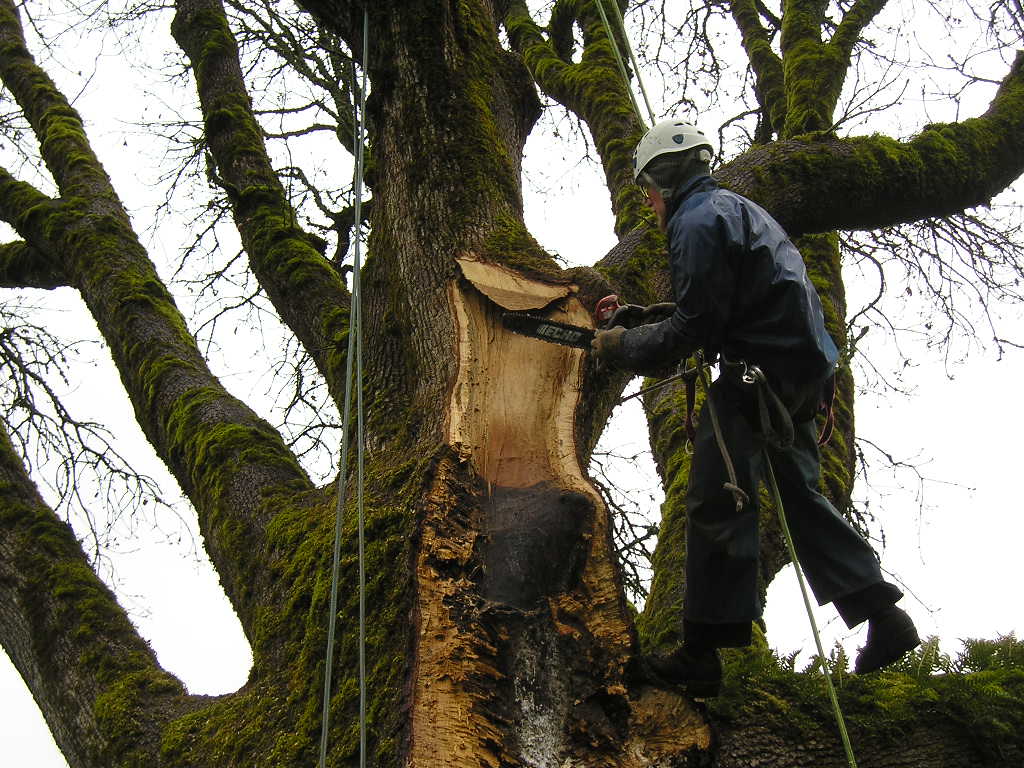
Pruning on Ladd Ave.SAVE OUR ELMS has negotiated special terms from Treecology, Inc to provide sanitation and code compliance pruning for elms in parking strips. Sanitation pruning is the removal of dead branches over two inches in diameter. Code compliance pruning removes limbs that interfere with sidewalks and streets.

At one time, the American elm (Ulmus americana) was considered to be an ideal street tree because it was graceful, long-lived, fast growing, and tolerant of compacted soils and air pollution. Dutch elm disease (DED) was first noted in North America in 1930 and by 1970 had killed an estimated 77 million trees. Because elm is so well suited to urban environments, however, it continues to be a valued component of the urban forest.

Elm Bark BeetleThe fungus that causes DED is transmitted two ways, by two species of elm bark beetle and by root grafts. The disease cycle starts with the beetles keying in on the scent of a wounded elm, whether by pruning, breakage or abrasion. The beetles then burrow into the bark of the elms to lay their eggs. The fungus is then transmitted to the tree where it rapidly grows and kills the tree. It also infects the resulting larvae which mature and spread to other trees.

Car on Ladd Ave.The challenge before us is to reduce the loss of remaining elms and to choose suitable replacement trees for the ones we cannot save. In Illinois, some communities that maintained sanitation programs still had 75 percent of their elms 25 years later. In contrast, communities with no sanitation programs had lost all of their elms. Coupled with regular fungicide treatments and planting of resistant varieties, retaining healthy populations of stately elms is possible.

Sign up here for a free consultation and estimate.